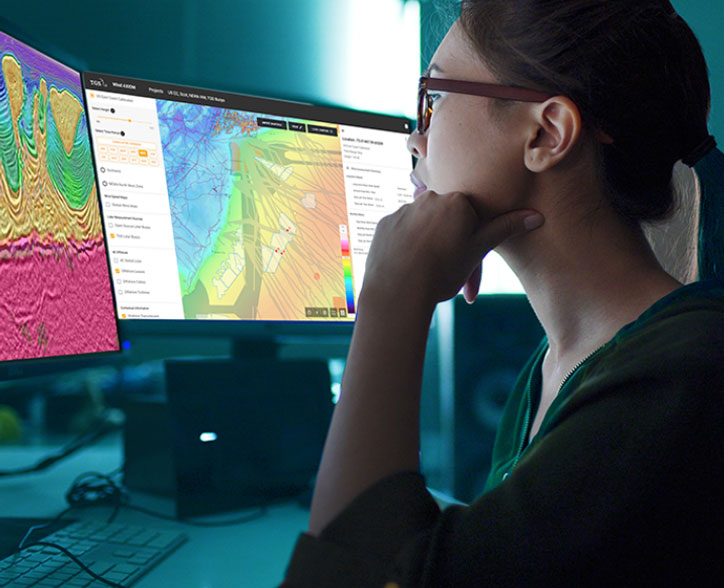
Seismic surveying is a temporary and transient, widely used, well-understood geophysical technology that is the first step in understanding what lies beneath the ocean floor.
That includes identifying prospective oil and gas resources, geological sites for carbon capture, and appropriate locations for offshore wind turbines and other renewable energy infrastructure.
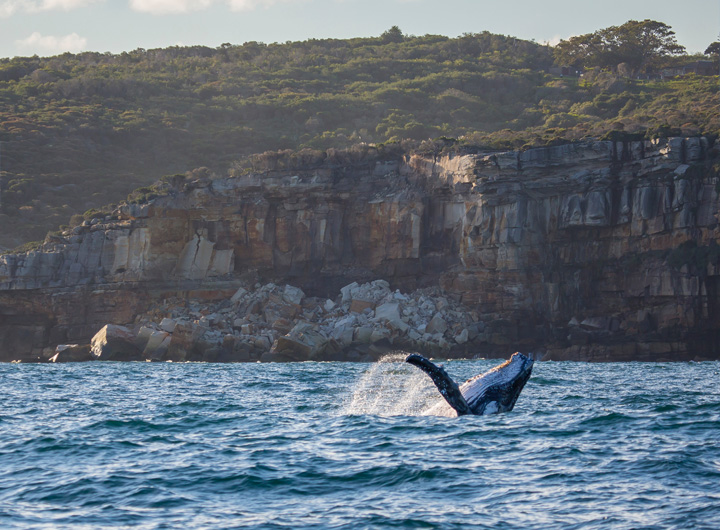
Protecting Marine Life
Seismic surveying has been used for decades in the Asia-Pacific region. Considering Australian waters only, over 2,000 seismic surveys have been conducted in since the 1960s, including 100s of surveys off the southern coast of Australia, along the Bass Strait and around Tasmania, with no evidence of long-term or population-level harm to the marine environment.
EnerGeo, alongside regional and global partners, has been funding independent research through the Sound and Marine Life Joint Industry Programme since 2005 under the auspices of the International Association of Oil and Gas Producers (IOGP) to improve understanding of the potential impact of sound on marine life.
Learn more about seismic surveys from the videos below:
The seismic industry has a long and strong track record of operating safely, sustainably, and successfully in the Asia Pacific region.
The marine vessels used are state-of-the-art, maintained to the highest international maritime standards, crewed by highly skilled mariners and technical experts from around the world, many of them from the Asia-Pacific region.
Experience in Australia and worldwide demonstrates that fisheries and the oil and gas industry can coexist successfully. In 2021, the Commonwealth government, seismic, and fisheries worked together to prepare a guidance framework for successful co-existence. This was published in 2022 as “Supporting cooperative coexistence of seismic surveys and commercial fisheries in Australia’s Commonwealth marine area Guidance Framework”.
Fully Comply with Laws and Regulations
Our members must meet rigorous criteria from the government to receive permits before proceeding with operations.
Industry is subject to robust regulation and only performs activities after extensive consultation with local communities and stakeholders, and environmental review.
During the survey planning stage, environmental impact assessments are conducted to evaluate the potential impacts and risks to marine life and consider measures to avoid or mitigate them, in keeping with international best practice and best available science.
Download EnerGeo’s Australia Consultation Guidance, a comprehensive guideline for engaging stakeholders in energy geoscience activities, particularly seismic acquisition, to ensure environmental and social considerations are addressed.
Read more about EnerGeo members’ impact in Australia and the Asia Pacific Region
The work of the energy geoscience industry makes possible the mainstay, new and alternative energy, and low carbon solutions like CCS that power the world.